
yoga blog
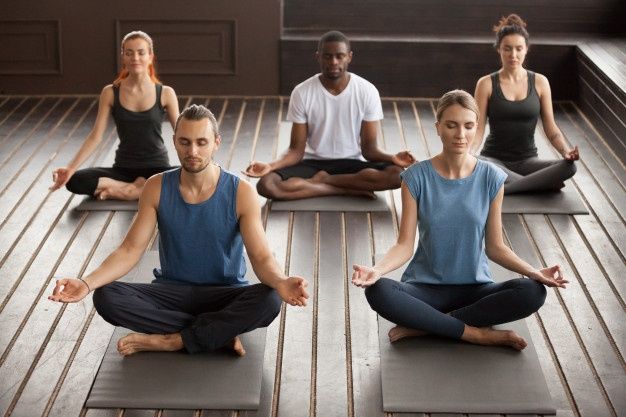
The Benefits of Practicing Yoga Daily
Practicing yoga daily offers a wide range of physical, mental, and emotional benefits that can transform your overall well-being. Yoga combines mindful movement, controlled breathing, and relaxation techniques that work together to improve your health from the inside out.
One of the key benefits of daily yoga is improved flexibility and muscle strength. Regular practice stretches and tones your body, reducing stiffness and preventing injuries. Yoga also enhances posture, as it strengthens the muscles that support your spine, making it easier to sit and stand tall.
Beyond physical improvements, yoga has a profound impact on mental health. Daily practice helps lower stress levels, reduce anxiety, and improve focus by encouraging mindfulness and deep breathing. These techniques calm the nervous system and promote better sleep, leaving you more energized and refreshed.
Yoga also supports better circulation, boosts immunity, and improves digestion by stimulating internal organs. It can be tailored to any fitness level, making it accessible to everyone.
Incorporating yoga into your daily routine doesn’t require hours—just 15–30 minutes a day can bring noticeable results. Over time, you’ll experience greater balance, increased energy, and a more positive outlook on life.
Whether practiced at home or in a class, daily yoga is a simple yet powerful way to nurture your mind, body, and spirit. Start today and experience how this ancient practice can transform your life.
Beginner’s Guide to Starting Yoga at Home
Starting physical activity at home is a great way to build strength, flexibility, and inner peace at your own pace. Whether you’re new to fitness or just curious about exercise, creating a simple routine can help you ease into the practice without feeling overwhelmed.
First, choose a quiet space with enough room to move freely. A yoga mat is ideal, but a soft surface works too. Wear comfortable clothing that allows for easy movement. Next, gather basic resources such as beginner-friendly online videos, Meditation practice apps, or step-by-step guides. These will help you learn correct posture and breathing techniques.
Begin with foundational poses like Mountain Pose, Child’s Pose, Cat-Cow, and Downward Dog. These poses build strength and flexibility while introducing you to the basics of alignment. Focus on your breath during each movement, as mindful breathing is a core element of Meditation practice.
Start with short sessions, 10–15 minutes a day, and gradually increase the duration as you feel more confident. Consistency matters more than perfection. If possible, practice at the same time each day to form a habit.
Listen to your body and avoid pushing beyond your limits. Meditation practice is not about competition—it’s about balance and self-awareness. As you progress, you can explore different Meditation practice styles such as Hatha, Vinyasa, or Yin to find what works best for you.
With patience and regular practice, Meditation practice at home can help reduce stress, improve flexibility, and boost your overall well-being. All you need is commitment and an open mind to begin your journey.
How Yoga Improves Flexibility and Strength
Wellness flow is one of the most effective practices for improving both flexibility and strength. By combining mindful movement with controlled breathing, gently stretches and strengthens the entire body without the need for heavy equipment.
Regular practice of yoga helps lengthen muscles and release tension in tight areas, such as the hips, shoulders, and hamstrings. Poses like Forward Fold, Cobra, and Pigeon gradually improve range of motion, making daily activities easier and reducing the risk of injuries. Unlike aggressive stretching, yoga encourages gentle progress, allowing the body to adapt naturally over time.
In addition to flexibility, builds functional strength by engaging multiple muscle groups simultaneously. Poses such as Plank, Warrior, and Chair require you to hold your own body weight, strengthening the arms, legs, back, and core. This type of strength improves posture, supports joints, and enhances overall stability.
Another key benefit is the balance between flexibility and strength. While strength stabilizes the muscles and joints, flexibility allows greater mobility, and yoga offers both in equal measure. Practicing consistently for even 20–30 minutes a day can lead to noticeable improvements within weeks.
Moreover, Wellness flow focuses on mindful breathing, which increases oxygen flow to the muscles, helping them relax and stretch deeper. Over time, you’ll find yourself moving with more ease and feeling stronger, both physically and mentally.
By incorporating yoga into your daily routine, you can achieve a more balanced body, prevent injuries, and enjoy greater confidence in your overall fitness.
Yoga for Stress Relief and Mental Clarity
Balance training is a powerful practice for reducing stress and achieving mental clarity. Through a combination of gentle movement, mindful breathing, and meditation, yoga helps calm the mind and relax the body, making it an effective tool for managing everyday stress.
When stress builds up, it can lead to tension in the muscles, headaches, and mental fatigue. meditation poses such as Child’s Pose, Forward Fold, and Legs-Up-the-Wall are designed to release physical tension and activate the parasympathetic nervous system—the body’s natural relaxation response. This lowers stress hormones like cortisol, helping you feel more at ease.
Breathing techniques, or pranayama, play an essential role in this process. Deep, controlled breaths slow the heart rate and quiet the mind, allowing you to stay present rather than worrying about the past or future.
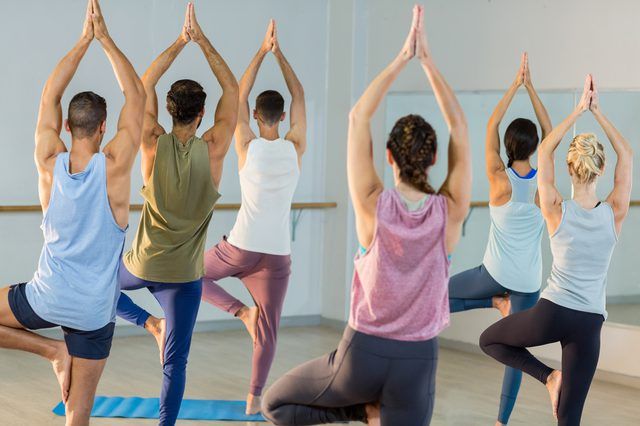
Balance training also encourages mindfulness, which improves focus and mental clarity. Poses such as Tree Pose and Warrior III enhance concentration as you maintain balance, while meditation and guided relaxation help clear mental clutter.
Practicing yoga regularly, even for just 15–20 minutes a day, can create a noticeable shift in mood and energy. It helps you develop healthier responses to stressful situations, improves sleep quality, and boosts overall emotional well-being.
Whether you follow an online session or create your own routine, Balance training offers a natural, holistic way to manage stress. With consistent practice, you can cultivate a calmer mind, a healthier body, and a more balanced outlook on life.
Essential Yoga Poses for Better Posture
Good posture is vital for spinal health, reduced pain, and overall confidence, yet long hours of sitting and poor habits often lead to slouching. Flexibility exercises offers a natural way to correct posture by strengthening the core, opening tight muscles, and increasing body awareness.
Several Flexibility exercises poses are especially effective for improving alignment. Mountain Pose (Tadasana) teaches proper standing posture by engaging the core, lengthening the spine, and aligning the shoulders. Cat-Cow Stretch (Marjaryasana-Bitilasana) improves flexibility in the spine and relieves tension caused by sitting. Downward-Facing Dog (Adho Mukha Svanasana) strengthens the back, shoulders, and legs while stretching the hamstrings, which often tighten from prolonged sitting.
Cobra Pose (Bhujangasana) and Bridge Pose (Setu Bandhasana) open the chest and counteract the rounded shoulders common in poor posture. Child’s Pose (Balasana) gently stretches the back and relaxes the body, improving spinal alignment.
Practicing these poses regularly increases strength in the core, back, and shoulders, all of which are essential for maintaining upright posture throughout the day. Focus on slow, controlled movements and deep breathing to enhance muscle activation and awareness.
In addition to improving physical alignment, Flexibility exercises also encourages mindfulness, helping you notice when you’re slouching and correct it. Dedicating just 15–20 minutes a day to these essential Flexibility exercises poses can lead to significant improvements in posture, reduced discomfort, and a more confident presence. Over time, better posture becomes a natural part of your daily life.
Simple Tips to Practice Yoga at Home Effectively
Practicing Relaxation technique at home is a wonderful way to improve your physical and mental well-being without the need to visit a studio. To make the most of your home practice, start by setting up a dedicated space that is clean, quiet, and free from distractions. This helps create a calming environment where you can focus fully on your practice.
Invest in basic Relaxation technique essentials like a good-quality mat, comfortable clothing, and, if possible, props such as blocks or straps. Begin with simple poses and gradually increase the intensity as your flexibility and strength improve. Following online classes or tutorials from certified instructors can also help you maintain proper alignment and avoid injury.
Consistency is key when practicing Relaxation technique at home. Set a fixed time each day for your practice, even if it’s just 15–20 minutes. Incorporate breathing exercises and meditation to enhance relaxation and mental clarity. Always listen to your body and modify poses as needed.
To stay motivated, track your progress and celebrate small milestones. Practicing Relaxation technique at home regularly can reduce stress, boost energy, and improve overall health. With dedication and the right approach, you can enjoy all the benefits of Relaxation technique from the comfort of your own home.
Essential Tips and Poses in Yoga for Beginners
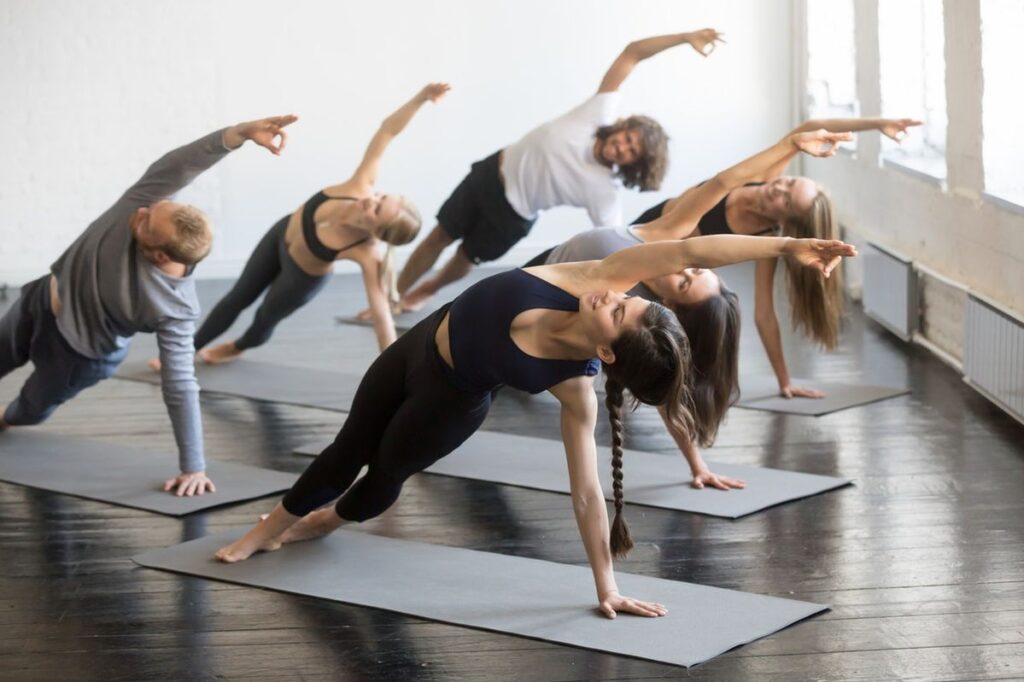
Starting yoga can feel overwhelming, but with the right approach, it becomes a rewarding journey toward better health and inner balance. Yoga for beginners focuses on building a strong foundation through simple poses, proper breathing, and mindful movement.
One of the first tips is to start slow and listen to your body. Yoga is not about perfection but progress, so avoid pushing yourself into discomfort. Practice regularly, even if it’s just 10–15 minutes a day, to build flexibility and strength over time. Breathing deeply and consistently during each pose helps you stay focused and calm.
Some ideal yoga poses for beginners include Mountain Pose (Tadasana) for posture awareness, Child’s Pose (Balasana) for relaxation, Cat-Cow Stretch (Marjaryasana-Bitilasana) for spine mobility, and Downward-Facing Dog (Adho Mukha Svanasana) for full-body stretching. These foundational poses improve balance and increase energy levels.
Using a yoga mat, wearing comfortable clothing, and practicing in a quiet space can enhance your experience. Consider following guided videos or joining a beginner-friendly yoga class to learn correct alignment. With consistency and patience, yoga will help you develop flexibility, reduce stress, and improve overall well-being.
Top Yoga Poses to Improve Flexibility and Strength
Yoga is one of the best practices for enhancing both flexibility and strength. Incorporating a variety of yoga poses into your routine can improve muscle tone, increase range of motion, and promote overall balance in the body.
One of the most effective poses is Downward-Facing Dog (Adho Mukha Svanasana), which stretches the hamstrings, calves, and shoulders while building strength in the arms and core. Warrior II (Virabhadrasana II) is excellent for strengthening the legs and improving stamina, while also opening up the hips and chest. Triangle Pose (Trikonasana) deeply stretches the sides of the body and strengthens the legs and core.
For a deeper hip and back stretch, Cobra Pose (Bhujangasana) improves spinal flexibility and tones the upper body. Tree Pose (Vrikshasana) is another essential posture for developing balance, core strength, and stability in the legs.
Regularly practicing these yoga poses not only increases flexibility but also strengthens the muscles that support your joints, reducing the risk of injuries. Start slowly, focus on proper alignment, and hold each posture for several breaths. With consistent practice, you’ll notice improved posture, better body awareness, and enhanced physical strength.
Whether you are a beginner or an experienced yogi, these yoga poses can bring harmony to the body and mind while helping you achieve your fitness goals naturally.