
Swimming Blog
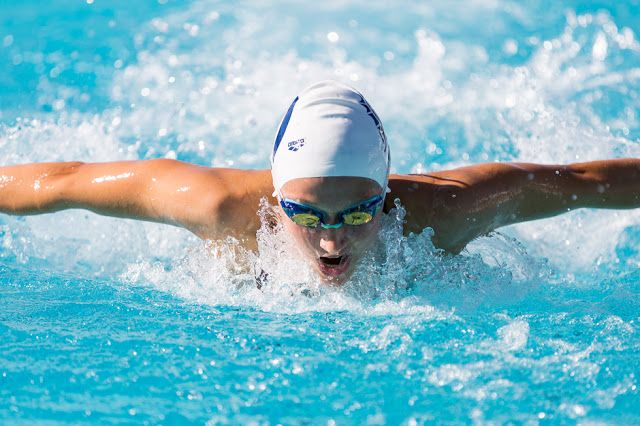
Top Health Benefits of Regular Swimpool Sessions
Swimming is one of the best full-body workouts, and regular swimpool sessions can significantly improve your overall health and well-being. Unlike high-impact exercises, swimming is gentle on the joints, making it suitable for all age groups and fitness levels. Each stroke in the swimpool engages multiple muscle groups, helping to build strength, tone muscles, and enhance flexibility. Swimming also provides an excellent cardiovascular workout, improving heart health and boosting lung capacity over time.
Another major benefit of regular swimpool sessions is improved mental health. The rhythmic movements and water’s calming effect can reduce stress, anxiety, and depression. Swimming also burns a high number of calories, making it effective for weight management. Furthermore, it enhances endurance and stamina while improving posture and balance. Whether you swim for leisure or fitness, consistent swimpool sessions contribute to a healthier body and a refreshed mind, helping you stay active and energized.
How to Improve Your Stamina in the Swimpool
Building stamina in the swimpool takes consistent practice and the right techniques. Start by swimming at a comfortable pace and gradually increasing your distance or time in the water. Interval training is one of the most effective ways to boost endurance—alternate between fast and slow laps to challenge your body and build strength.
Proper breathing is equally important. Practice rhythmic breathing to maintain oxygen flow and avoid fatigue. Incorporating a variety of strokes in your swimpool sessions, such as freestyle, backstroke, and breaststroke, can work different muscle groups and improve overall stamina. Strength training outside the water, especially core and leg exercises, also enhances swimming performance.
Staying hydrated and maintaining a balanced diet rich in lean protein and complex carbohydrates will fuel your body for longer sessions. Over time, consistent swimpool workouts combined with patience and persistence will significantly increase your stamina and help you swim with greater efficiency.
Essential Safety Tips for Every Swimpool Enthusiast
Staying safe in the swimpool starts with smart habits. Never swim alone—choose facilities with a lifeguard or bring a buddy. Warm up, stretch, and enter feet‑first, especially when you don’t know the depth; dive only where it’s clearly permitted. Walk—don’t run—on wet decks, and keep lanes clear by following posted lap‑swim etiquette. Skip alcohol and swim only when you’re well‑rested; stop if you feel dizzy, chilled, or short of breath. Protect your skin with water‑resistant sunscreen and your ears with proper drying to reduce infection risk. Stay hydrated; you still sweat in the swimpool. Rinse before and after swimming and avoid entering the water if you’re ill to help maintain water quality. Use U.S. Coast Guard–approved flotation for children, and keep close, active supervision—no phone distractions. Learn basic CPR and emergency signals, and know the location of rescue equipment. During storms, clear the swimpool immediately. Safety first ensures every session stays fun and healthy.
Best Swimpool Exercises for Full-Body Fitness
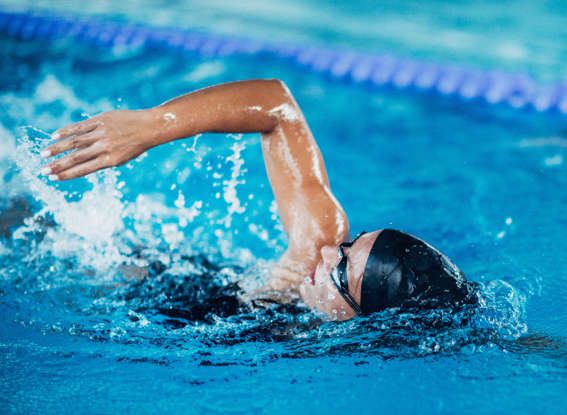
Swimpool workouts are an excellent way to achieve full-body fitness while minimizing stress on the joints. One of the best exercises is freestyle swimming, which engages the core, shoulders, arms, and legs. Breaststroke and backstroke are also highly effective as they build endurance and improve posture.
For strength training, try water jogging in the shallow end; the resistance of the water strengthens the legs and core. Flutter kicks using a kickboard are great for toning the lower body, while pull-buoy swimming isolates the upper body for improved arm and shoulder strength.
You can also perform aqua lunges and squats in waist-deep water to work your glutes and thighs. Adding equipment like water dumbbells can intensify your workout without straining the muscles.
Regularly practicing these swimpool exercises not only builds muscle and burns calories but also improves flexibility and cardiovascular health, making it a perfect all-in-one fitness routine.
How to Perfect Your Technique in the Swimpool
Perfecting your swimming technique in the swimpool can greatly improve efficiency and reduce fatigue. Start by focusing on your body position—keep it as horizontal as possible to minimize drag. Engage your core muscles to stay balanced and streamlined in the water.
Next, work on your strokes. For freestyle, maintain a high elbow during recovery and ensure your hand enters the water smoothly. In breaststroke, time your kick and pull together for maximum propulsion. Backstroke swimmers should keep their hips high and avoid excessive head movement.
Breathing is another key element. Practice rhythmic breathing and exhale fully underwater to avoid disrupting your stroke. Using training aids like kickboards or pull buoys can help isolate specific techniques for improvement.
Finally, seek feedback from a coach or record yourself swimming to identify mistakes. With consistent practice and attention to detail, your swimpool technique will become more efficient and powerful over time.
Overcoming Fear of Water Through Adult Swimming Lessons
Many adults hesitate to learn swimming due to a long-held fear of water. Adult swimming lessons are designed to address these fears step by step, making the learning process safe and enjoyable. Instructors use proven techniques to build water confidence, starting with simple breathing exercises and basic floating skills in shallow water. As you progress, you’ll gradually practice movements that help you feel in control, reducing anxiety and increasing comfort in deeper water.
One of the biggest advantages of adult swimming lessons is the supportive environment. Instructors are trained to understand the emotional challenges learners face and provide constant encouragement. Group classes also allow you to share experiences with others who have similar fears, making it easier to stay motivated. By overcoming fear at your own pace, you not only gain a valuable life skill but also develop a sense of confidence and accomplishment in and out of the water.
The Health Benefits of Swimming for All Ages
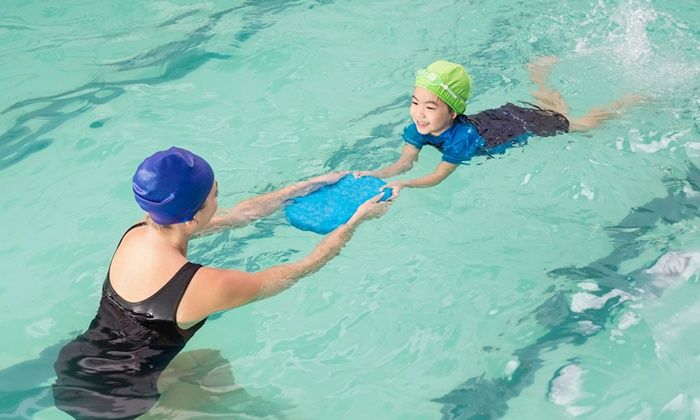
Swimming is a full-body workout that offers numerous health benefits, making it suitable for people of all ages. It strengthens muscles, improves flexibility, and enhances cardiovascular health without putting too much pressure on the joints, making it ideal for children, adults, and seniors alike. Regular swimming helps burn calories, supports weight management, and increases overall stamina.
For children, swimming aids in building strong bones and coordination skills while fostering water safety awareness. Adults benefit from improved heart health, reduced stress levels, and better endurance. Seniors find swimming particularly helpful as the buoyancy of water reduces the risk of injury and eases conditions like arthritis.
Additionally, swimming promotes mental well-being by releasing endorphins, reducing anxiety, and improving sleep quality. Whether practiced recreationally or competitively, swimming is a low-impact activity that nurtures both physical and mental health, making it a lifelong fitness choice for everyone.
What to Expect on Your First Day at Swim School
Your first day at swim school can be both exciting and a little nerve-wracking, but knowing what to expect makes the experience easier. Upon arrival, you’ll usually meet the instructors and staff, who will explain the schedule and safety rules. Most swim schools begin with a short orientation, introducing students to the pool area, changing facilities, and class structure.
Beginners will start with basic water safety skills, such as entering and exiting the pool, floating, and becoming comfortable in the water. Instructors will assess your swimming ability to place you in the right skill group. Expect a friendly, supportive environment where lessons are tailored to your level, whether you’re a complete beginner or refining your strokes.
Bring essentials like a swimsuit, towel, goggles, and a water bottle. Most importantly, come with a positive attitude. Swim school focuses on building confidence and enjoyment in the water from day one!