
Cycling
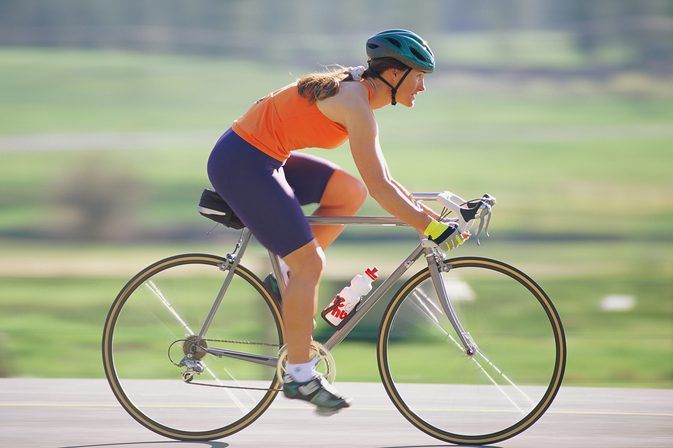
The Health Benefits of Regular Cycling
Regular cycling delivers powerful health benefits across body and mind. As a low‑impact aerobic workout, it strengthens the heart, lowers resting blood pressure, and improves circulation, reducing the risk of cardiovascular disease. Pedaling engages major muscle groups—the glutes, quads, hamstrings, calves, and core—building endurance while protecting joints compared with high‑impact activities. Consistent rides boost metabolic health by improving insulin sensitivity and supporting sustainable weight management. Outdoor Bicycle touring enhances lung capacity and trains balance and coordination, which helps prevent falls as we age. Mentally, Bicycle touring releases endorphins, eases stress and anxiety, and can sharpen focus thanks to rhythmic movement and time in nature. Commuting by bike adds convenient daily activity and may improve sleep quality and energy levels. Start with 20–30 minutes, three to five times per week, and progress gradually. Combine easy spins with occasional hills or intervals, stay hydrated, and maintain your bike—your body will feel the difference.
Essential Cycling Gear Every Rider Needs
Having the right Pedal power gear can make your rides safer, more comfortable, and enjoyable. The most important item is a well-fitted helmet, which protects your head in case of falls. Pedal power gloves help with grip and reduce hand fatigue, while padded cycling shorts provide comfort on longer rides by reducing friction. A high-visibility jersey ensures you are seen by motorists, especially in low-light conditions. Pedal power shoes with proper pedals improve power transfer and efficiency, and a hydration bottle or pack keeps you refreshed. Safety accessories like front and rear bike lights, a bell, and a sturdy bike lock are also essential. Carry a repair kit with spare tubes, tire levers, and a mini pump for unexpected flats. Finally, a good-quality bike computer or smartphone mount helps track distance and speed. Investing in these essentials enhances your Pedal power experience and keeps you prepared for every ride.
Top Tips for Safe Cycling on Busy Roads
Two-wheeling on busy roads can feel intimidating, but following a few key safety tips will keep you protected and confident. First, always wear a helmet and bright, reflective clothing to make yourself visible to motorists. Use front and rear lights, even during the day, to increase visibility. Ride predictably by maintaining a straight line and signaling turns clearly with hand gestures. Stay in designated bike lanes when available, but avoid riding too close to parked cars to prevent “dooring” accidents. Always follow traffic rules, including stopping at red lights and yielding when necessary. Stay alert, avoid distractions like headphones, and constantly scan your surroundings for potential hazards. If the road is narrow, it’s safer to take the lane than to be squeezed to the side. Finally, practice defensive cycling by anticipating driver actions and leaving enough space to react. These habits make busy-road cycling much safer and more enjoyable.
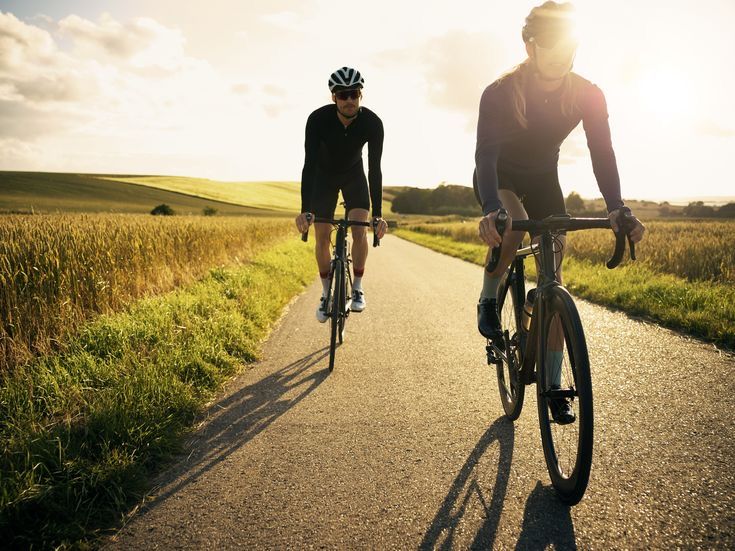
How Cycling Can Help You Stay Fit and Active
Pedaling is a versatile, low‑impact workout that strengthens your heart, lungs, and legs while being gentle on joints. Regular rides elevate heart rate, improve aerobic capacity, and burn calories to support weight management. Pedaling recruits major muscle groups—the glutes, quads, hamstrings, calves, and core—building endurance and functional strength. You can tailor intensity easily: cruise for steady‑state cardio, add hills to build power, or include short sprints for HIIT‑style gains. Because Pedaling doubles as transport, commuting by bike seamlessly injects movement into busy days, enhancing energy, mood, and sleep. Outdoor routes boost motivation and provide fresh air, while indoor trainers offer year‑round convenience. To get started, schedule 20–30 minutes three to five times weekly, warm up and cool down, and progress gradually. Combine Pedaling with simple strength work and mobility, stay hydrated, and prioritize recovery. With consistency, you’ll feel fitter, more resilient, and energized.
Best Cycling Routes for Beginners and Experts
Choosing the right route makes every ride safer, smoother, and more fun. Beginners should start with flat, low‑traffic paths such as park loops, riverside greenways, or dedicated bike trails. Look for paved surfaces, clear signage, frequent rest points, and easy bail‑outs. Aim for 10–20 km, focusing on steady cadence and confidence at intersections. Gentle rolling routes help develop gearing skills without overwhelming climbs.
Intermediate riders can explore quiet country roads, coastal stretches, or rail‑trails with mixed terrain. Add short hills, light gravel, and steady 30–50 km distances to build endurance and bike handling.
Experts thrive on challenging climbs, alpine passes, and long scenic circuits with varied elevation. Seek routes featuring sustained ascents, technical descents, and segments for intervals. Gravel and singletrack add adventure—bring wider tires and repair kits.
For all levels: check wind and weather, download offline maps, share your route, carry lights and spares, and respect local rules. The right route matches your skills—and elevates your ride.
Cycling Benefits for Weight Loss and Fitness Goals
Cycling is one of the most effective and enjoyable ways to achieve weight loss and reach your fitness goals. As a low-impact cardiovascular exercise, it helps burn calories while being gentle on the joints, making it suitable for people of all fitness levels. Regular cycling can burn 300–600 calories per hour depending on intensity, helping create the calorie deficit needed for weight loss.
In addition to burning fat, cycling builds lean muscle in the legs, glutes, and core, which boosts metabolism even at rest. Outdoor cycling also engages your upper body and improves balance, while indoor cycling allows you to control intensity and track progress. Combining cycling with a balanced diet enhances results and keeps energy levels stable.
Whether you ride outdoors or on a stationary bike, cycling benefits extend beyond weight loss by improving endurance, stamina, and overall cardiovascular health.
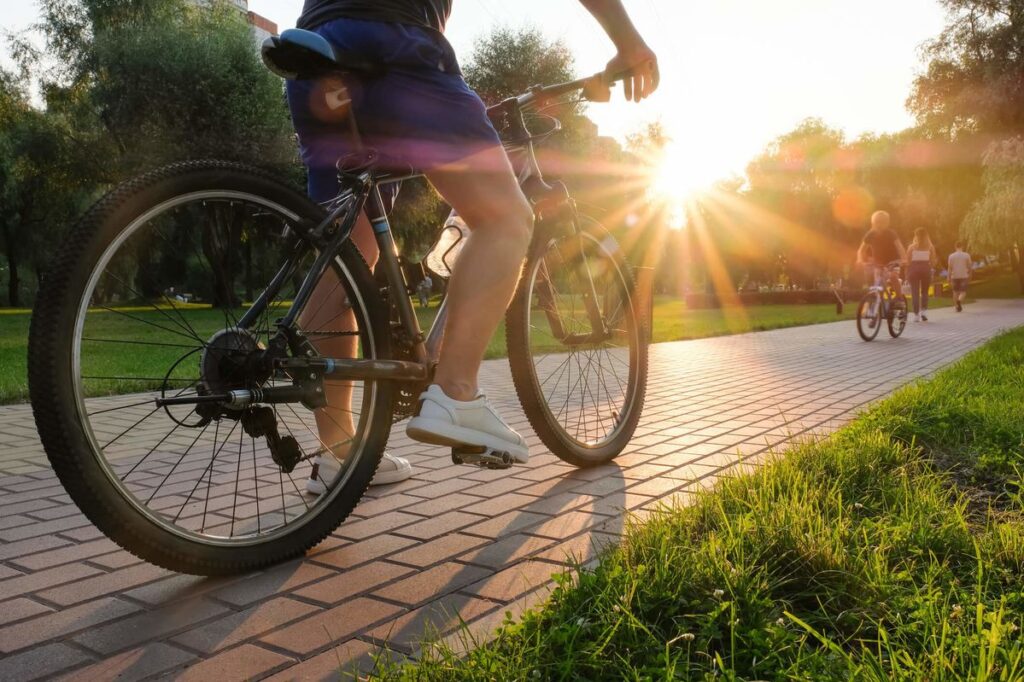
Essential Gear You Need for Cycling for Beginners
When starting out, having the right gear is essential to ensure safety and comfort while cycling. First, invest in a properly fitted bike suited for your height and riding style. A good-quality helmet is non-negotiable, as it protects you from serious head injuries. Comfortable, padded cycling shorts and a moisture-wicking jersey can make long rides much easier.
Cycling gloves help improve grip and reduce hand fatigue, while sturdy shoes enhance pedal efficiency. For added safety, use front and rear bike lights and reflective gear, especially if you plan to ride in low-light conditions. A basic repair kit, including tire levers, a spare tube, and a portable pump, is also crucial in case of a flat tire.
Don’t forget a water bottle and cage to stay hydrated during your rides. With the right gear, cycling for beginners can be a safe, enjoyable, and rewarding experience
Cycling Tips for Safe Riding in Traffic
Riding a bicycle in traffic can be challenging, but following the right cycling tips can help you stay safe and confident. Always wear a properly fitted helmet and ensure your bike is in good working condition, especially the brakes and lights. Ride in the same direction as traffic and stay in designated bike lanes whenever possible. Use clear hand signals to indicate turns or lane changes so drivers are aware of your intentions.
Be visible at all times by wearing bright or reflective clothing, especially during low-light conditions. Avoid distractions such as using headphones or checking your phone while cycling. Stay alert for parked cars, as doors can open unexpectedly, and keep a safe distance from vehicles. Obey all traffic signals and rules just like any other road user.
By practicing these cycling tips consistently, you can enjoy safer rides while sharing the road responsibly with motorists.