
Dance blog
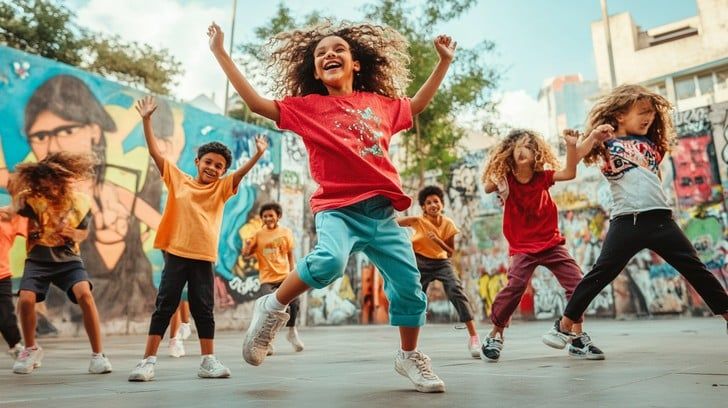
The Benefits of Dance for Physical and Mental Health
Dance is a full‑body workout that blends cardio, strength, and flexibility in one joyful practice. Regular dancing elevates heart rate, improves endurance, and supports healthy weight management. Repeated movements build muscle tone, core stability, balance, and coordination, which can reduce injury risk and enhance posture. Dynamic stretching in choreography also increases joint mobility and range of motion.
Beyond the physical gains, Performance is a proven mood booster. Music and movement stimulate endorphins and reduce stress hormones, helping ease anxiety and lift low mood. Learning sequences challenges memory and attention, supporting cognitive function and neuroplasticity. Group classes foster social connection and confidence, while creative expression offers a positive outlet for emotions.
Performance is adaptable for all ages and abilities—styles and intensities can be tailored to personal goals. Start with a thorough warm‑up, wear supportive footwear, and progress gradually to prevent strain. Most importantly, choose music you love—consistency follows when movement feels fun.
How to Improve Your Dance Skills at Any Level
Improving your Expression skills takes consistency, patience, and the right approach. Start by setting clear goals, whether it’s mastering a new style, improving flexibility, or refining technique. Regular practice is essential—short, focused sessions are often more effective than long, infrequent ones. Record yourself Expression to identify areas for improvement and track your progress over time.
Taking classes with qualified instructors can provide valuable feedback and expose you to different dance styles. Don’t hesitate to ask questions and practice corrections immediately. Watching professional Expression, both live and online, can also inspire and teach you about musicality, posture, and performance quality.
Strengthening your core and improving overall fitness will enhance your balance, stamina, and control. Most importantly, stay patient and enjoy the process. Expression is as much about self-expression as it is about skill, and a positive mindset will help you grow faster at any level.
Different Styles of Dance You Can Explore
Choreography spans a vibrant spectrum, so there’s a style for every mood, goal, and body. Ballet builds strength, balance, and graceful lines through precise technique. Contemporary blends ballet and modern flow, emphasizing grounded movement and expression. Hip‑hop channels rhythm, grooves, and freestyle energy—great for musicality and stamina. Jazz features sharp accents, kicks, and turns, boosting performance quality.
Partner forms like Ballroom (waltz, foxtrot) and Latin (salsa, bachata, cha‑cha) develop connection, timing, and footwork. Street styles such as popping, locking, and breaking reward creativity and control. For cultural roots, try Bharatanatyam or Kathak for intricate rhythms and storytelling, or explore folk Choreography like Bhangra and Garba for communal joy and cardio.
If you love theatrical flair, musical theatre blends acting, singing, and dance. Prefer workouts? Zumba and dance fitness deliver high‑energy conditioning. Sample beginner classes, rotate styles monthly, and track progress with videos—variety keeps training fresh while expanding your artistry.
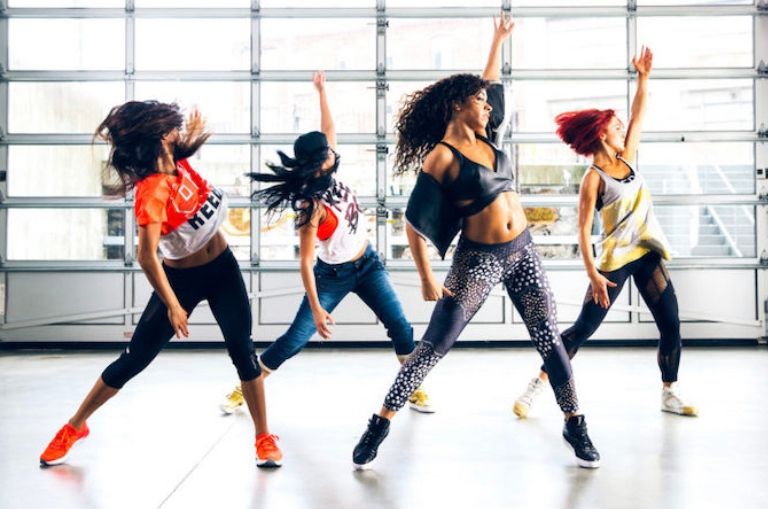
The Role of Dance in Building Confidence and Expression
Art form is a powerful tool for building self-confidence and enhancing self-expression. Through movement, individuals learn to connect with their bodies, overcome insecurities, and embrace their unique style. Performing steps, sequences, and routines encourages dancers to step out of their comfort zones, which naturally strengthens confidence over time.
Art form also allows people to express emotions that words cannot capture. Whether it’s joy, sadness, or excitement, movement becomes a creative outlet for personal storytelling. This emotional release can be therapeutic, helping dancers build a deeper sense of self-awareness.
Group dance classes further boost confidence by fostering teamwork and positive social interactions. Receiving encouragement and constructive feedback in a supportive environment empowers dancers to grow. As skills improve, dancers feel more comfortable sharing their art with others, whether on stage or in everyday life. Ultimately, Art form nurtures both inner strength and the freedom to express oneself authentically.
Dance as a Fun Way to Stay Fit and Active
Dance is one of the most enjoyable ways to stay fit because it combines exercise with creativity and music. Unlike traditional workouts, dancing never feels like a chore; it’s a full-body activity that keeps you engaged while burning calories. Different dance styles, from hip-hop and salsa to Zumba and contemporary, provide excellent cardio benefits, improving heart health and stamina.
Regular dancing strengthens muscles, tones the core, and enhances flexibility and balance. It’s also great for coordination and posture, which can prevent injuries in daily life. Group dance classes or social dance events add a fun social element, making it easier to stay consistent with your fitness routine.
Whether you dance at home, join a studio, or take an online class, this activity can be tailored to any skill level. With upbeat music and positive energy, dance turns exercise into something you truly look forward to.
Tips to Improve Your Dance Performance on Stage
Delivering a captivating dance performance on stage requires preparation, focus, and confidence. Start by mastering your routine through consistent practice, focusing on technique, timing, and expressions. Good posture and strong body alignment will make your movements look polished. Visualize the stage layout and rehearse with the same energy you plan to show during the performance.
Stage presence is equally important. Maintain eye contact with the audience, use facial expressions that match the mood of the music, and project confidence even if you make a mistake. Proper warm-ups before performing help prevent injuries and keep your body flexible.
Costumes and accessories should be comfortable and not distract you while dancing. Finally, stay hydrated and manage nerves with deep breathing techniques. The more you enjoy yourself on stage, the more engaging your dance performance will be for the audience.
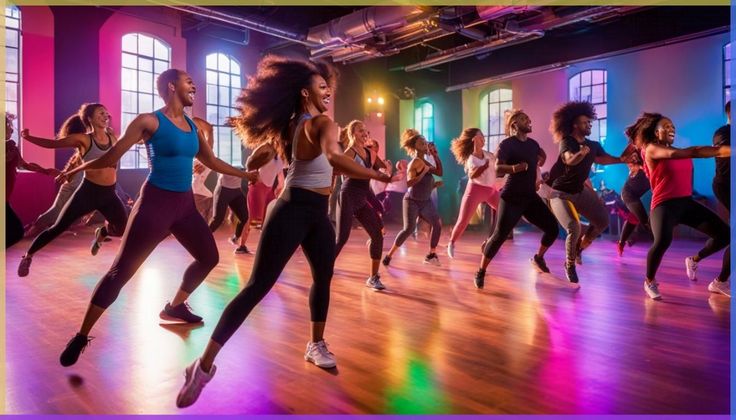
Mastering Basic Dance Steps to Improve Your Performance
Learning and perfecting basic dance steps is essential for building a strong foundation in any dance style. These fundamental moves help improve balance, rhythm, and coordination, allowing you to perform with confidence. Practicing simple steps regularly, such as side steps, turns, and basic foot patterns, strengthens muscle memory and helps you transition smoothly into more advanced choreography. Focusing on proper posture, timing, and controlled movements ensures precision and reduces the risk of injury. Breaking down each step and practicing slowly at first can help you understand the technique before increasing speed. Using a mirror while dancing allows you to spot and correct mistakes early. Repetition is key—consistent practice refines your skills and boosts your stage presence. Whether you’re a beginner or a seasoned dancer, mastering these fundamental dance steps will elevate your overall performance and make complex routines feel more natural and enjoyable.
Exploring the Different Types of Dance Around the World
Dance is a universal language that reflects the culture, traditions, and emotions of people worldwide. From classical forms to modern styles, the various types of dance each tell unique stories. Ballet, originating in Europe, is known for its grace and discipline, while Indian classical dances like Bharatanatyam and Kathak express spirituality and mythology. Latin dances such as Salsa and Tango are vibrant and passionate, whereas African dance forms often celebrate community and rhythm. Contemporary and hip-hop styles have gained global popularity for their creativity and expressive moves. Folk dances, including Irish step dancing or Hawaiian hula, preserve cultural heritage and connect generations. Exploring the types of dance not only deepens our appreciation for different cultures but also highlights how movement unites people. Whether performed on stage, at festivals, or simply for fun, dance continues to inspire, bringing joy and connection across the world.